Toys play a significant role in a child’s early learning years. During this stage, children begin to explore ideas, express thoughts, and form connections through play. Rather than being limited to entertainment, toys support learning by encouraging curiosity, experimentation, and self-expression. Understanding how toys help kids in early education allows parents and educators to choose play materials that support creativity and imagination while building essential cognitive and social skills.
The Role of Toys in Early Education
Early education focuses on developing foundational skills such as problem-solving, communication, and independent thinking. Toys act as tools that help children explore these skills naturally. Through play, children observe outcomes, test ideas, and adjust their actions based on results. This process supports imagination by allowing children to create scenarios, invent stories, and explore possibilities without rigid rules.
Unlike structured classroom activities, play with toys gives children freedom to think independently. This freedom supports creative growth and encourages children to trust their own ideas.
How Toys Encourage Creative Thinking
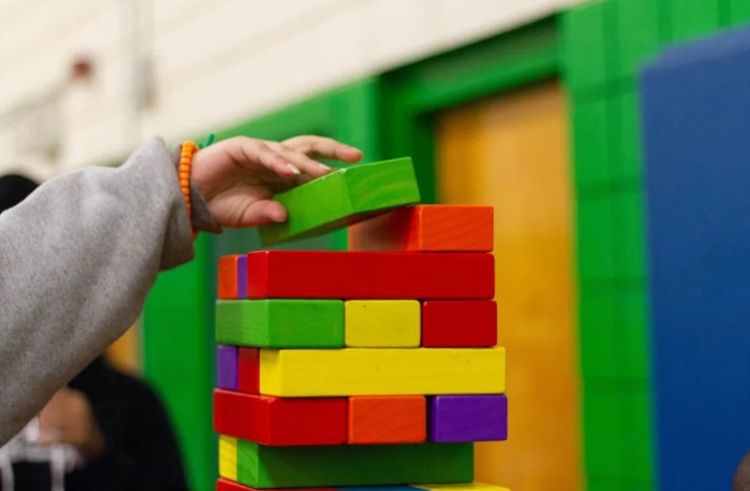
Creative thinking develops when children are allowed to explore without fixed outcomes. Open-ended toys, such as blocks or drawing materials, do not have a single correct use. Children decide how to play, what to build, or what story to create. This decision-making process strengthens imagination and encourages original thinking.
When children experiment with different ways to use the same toy, they learn flexibility. This ability to approach situations from multiple angles supports creative problem-solving later in life.
Imaginative Play and Story Creation
Imaginative play allows children to create roles, settings, and narratives. Toys like dolls, action figures, or pretend kitchen sets help children act out real-life experiences or imagined scenarios. During this type of play, children practice storytelling, emotional expression, and social interaction.
By assigning roles and creating dialogue, children develop language skills while exploring emotions and perspectives. This form of play also helps children understand their surroundings by recreating familiar situations in a safe environment.
Building Problem-Solving Skills Through Play
Many toys present challenges that require planning and logical thinking. Puzzles, construction sets, and matching games encourage children to think step by step. When a structure falls or a puzzle piece does not fit, children learn to adjust their approach.
This trial-and-error process builds patience and persistence. It also supports imagination by encouraging children to think of new solutions rather than giving up. Over time, children gain confidence in their ability to solve problems independently.
Sensory Play and Creative Exploration
Sensory toys engage touch, sight, and movement, helping children explore ideas through physical interaction. Materials like clay, sand, or textured blocks allow children to shape, mold, and create freely. These experiences help children express thoughts that may not yet be communicated through words.
Sensory play also supports focus and observation. As children interact with different textures and shapes, they learn how materials behave, which feeds creative experimentation.
Social Interaction and Shared Imagination
Group play with toys encourages cooperation and shared creativity. When children play together, they negotiate roles, share ideas, and build stories collectively. This interaction helps children understand different viewpoints and develop communication skills.
Collaborative play strengthens imagination by combining multiple ideas into a single activity. Children learn that creativity can grow through discussion and teamwork rather than individual effort alone.
Choosing Toys That Support Creativity
Selecting toys that promote imagination involves focusing on flexibility rather than fixed functions. Toys that can be used in multiple ways support longer engagement and deeper creative exploration. Simple designs often allow children to add their own ideas rather than follow instructions.
Age-appropriate toys that allow gradual skill development help children remain challenged without frustration. This balance supports consistent creative growth during early education.
Conclusion
Toys serve an important purpose in early education by supporting creativity, imagination, and independent thinking. Through open-ended play, storytelling, problem-solving, and social interaction, children develop skills that extend beyond playtime. Understanding how toys help kids in early education allows caregivers and educators to make informed choices that support learning through play. With the right toys, children gain opportunities to explore ideas freely, build confidence, and develop a strong foundation for future learning.
 Bright Media
Leave a comment