A professional signature stamp is a practical tool used in offices, clinics, banks, and many other workplaces. It helps people sign documents quickly while keeping their identification clear and consistent. Many professionals use it on letters, invoices, approvals, and internal forms. One common question people have is whether the stamp should show only a name or also include a job title or professional credentials. This decision can affect clarity, trust, and daily workflow.
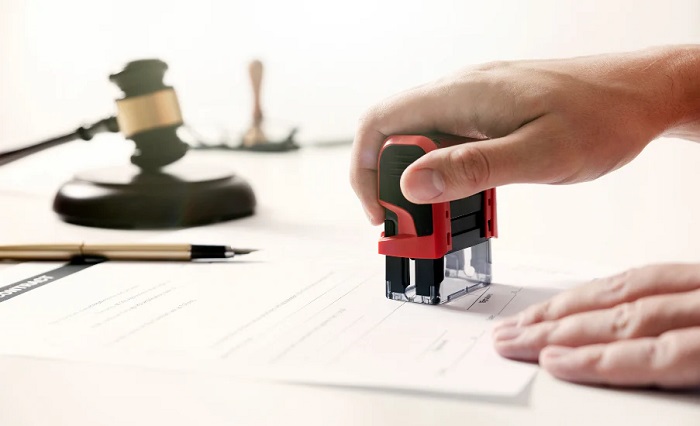
A signature stamp usually contains a person’s name in a handwritten or printed style. Some versions also include a job title, license number, or academic degree. These extra details may look small, but they play an important role in how the stamp is viewed by others. To decide what works best, it helps to understand how titles and credentials change the purpose of a stamp.
What a professional signature stamp represents
A signature stamp acts as a stand-in for a handwritten signature. It confirms that the person named has reviewed or approved the document. In many offices, it is used by managers, doctors, lawyers, and administrators who sign large volumes of paperwork. Because it carries legal and professional weight, the information printed on it should match how the person is known in their working role.
Some people prefer a simple stamp with only their name. Others want their position or degree shown to avoid confusion. Both options have valid uses, depending on the work environment and the type of documents being signed.
Why some professionals include their title
Adding a title such as Manager, Director, or Supervisor can make the stamp more informative. In workplaces with many staff members, it helps show who approved the document and at what level. This can be helpful for internal records and for outside parties who need to know the authority behind the signature.
For example, a finance manager signing expense approvals may want the title printed so it is clear the approval came from the correct role. In medical and legal fields, a title or license can also add confidence to the document. It tells the reader that the person signing has the required qualifications to do so.
Including a title can also reduce back-and-forth questions. Instead of asking who signed or what their role is, the document already provides that information.
Why some choose to leave it out
There are also cases where a name alone works better. In small offices, everyone may already know who signs what, so adding a title may not bring much value. In some organizations, roles change over time, but the stamp stays in use for years. If a title is printed and later becomes outdated, the stamp may need to be replaced.
A name-only stamp can also look cleaner and easier to read. Some professionals prefer this simple style because it works across different tasks. Whether signing a memo, a form, or a letter, the same stamp can be used without worrying about whether the title fits the situation.
In jobs where people act in several roles, a fixed title on a stamp might limit how it is used. A general stamp with just a name allows more flexibility.
How credentials fit into the decision
Credentials such as MD, CPA, or PhD can add another layer of clarity. These are most useful in fields where professional training and licensing matter to the reader. For example, a doctor’s stamp with MD or a lawyer’s stamp with Esq can help confirm that the person signing has the right background.
However, credentials are not always needed on every document. In internal office work, a simple name may be enough. In client-facing or legal paperwork, showing a credential can support the document’s standing.
There is also the matter of space. A stamp that includes a name, title, and credentials can become crowded. This may reduce readability, which is a key function of a stamp.
Matching the stamp to the type of work
The best choice depends on how and where the stamp will be used. In medical, legal, and financial fields, including credentials or a title often makes sense. These documents often travel outside the office, and readers may not know who the signer is.
In general business settings, a name and job title can be helpful, but not always required. For personal branding and clarity, many people include at least their position. For routine office forms, a name alone may still work well.
For anyone ordering a Signature Stamp Name, it is useful to think about who will read the stamped documents. If the reader needs proof of authority or qualification, adding a title or credential can be helpful. If the stamp is mainly for speed and internal tracking, a simple name can be enough.
Balancing clarity and simplicity
There is always a balance between giving enough information and keeping the stamp easy to use. A stamp that is too detailed may look cluttered and harder to read. A stamp that is too simple may leave out helpful context.
Many professionals choose a middle option: their name with a main title. This gives readers a clear idea of who signed and what role they hold, without overloading the stamp with extra text.
Conclusion
Whether a professional signature stamp should include a title or credentials depends on how the stamp is used and who will read the documents. Titles and credentials can add clarity, authority, and trust, especially in formal or regulated fields. A simple name can work well in small offices or for everyday paperwork. By thinking about the type of work, the audience, and how often the stamp is used, a professional can choose a format that supports both accuracy and ease of use.
 Bright Media
Leave a comment