Modern construction and home design often demand materials that are durable, functional, and visually appealing. Among the different options available, aluminum is steadily becoming a preferred choice for window frame fabrication. This is due to its combination of strength, flexibility, and sleek design qualities that meet both residential and commercial needs. In cities like Valencia, services such as carpinteria aluminio Valencia highlight the growing preference for aluminum window solutions.
Let us explore in detail why aluminum is being favored for modern window frame fabrication.
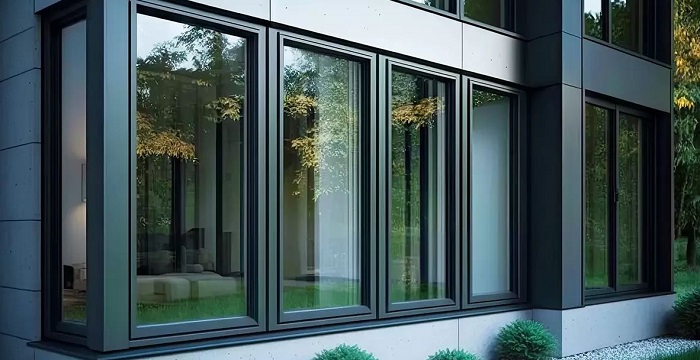
Why Is Aluminum Becoming the Go-To Material for Modern Window Frame Fabrication?
Strength and Durability
Aluminum has a natural resistance to external factors such as corrosion, moisture, and UV exposure. This makes it a long-lasting option for window frames in different climates. Unlike wood, aluminum does not warp, swell, or shrink due to changing weather conditions. This stability allows homeowners and builders who work with carpinteria aluminio Valencia to have confidence in the structural reliability of their windows over many years.
Low Maintenance
Another important advantage of aluminum window frames is their minimal maintenance requirement. A simple cleaning with water and mild detergent is usually sufficient to keep them looking fresh. Unlike wood, which may require painting or varnishing, aluminum maintains its appearance with little effort. This makes it an attractive choice for both busy households and commercial properties.
Slim Profiles and Better Views
Aluminum has a high strength-to-weight ratio. Because of this, manufacturers can design slimmer window profiles while still maintaining durability. These slim frames allow for larger glass panels, which means more natural light and better views. For modern architecture, where open spaces and light are valued, aluminum window frames are a practical option.
Energy Efficiency with Thermal Breaks
Older aluminum frames were often criticized for poor insulation. However, modern aluminum windows have advanced significantly. They now include thermal breaks—barriers made of insulating material placed between the interior and exterior sections of the frame. This design reduces heat transfer and improves energy efficiency. As a result, aluminum windows can contribute to a comfortable indoor climate and help reduce energy costs.
Design Flexibility
Aluminum is highly adaptable to different architectural styles. It can be powder-coated or anodized in a wide range of colors and finishes, which allows it to match various design requirements. Whether a property requires a modern, minimalist look or a more traditional style, aluminum frames can be finished to suit the design choice. This flexibility makes aluminum a practical material for both residential and commercial applications.
Conclusion
Aluminum is becoming the preferred material for modern window frame fabrication due to its strength, low maintenance, slim design possibilities, and sustainability. With advancements in insulation technology, it has addressed previous concerns about energy efficiency, making it suitable for both homes and businesses. As construction standards continue to prioritize durability and efficiency, aluminum window frames stand out as a practical and forward-looking choice.
 Bright Media
Leave a comment