Aquarium fish depend on their swim bladder to regulate buoyancy and movement in water. This organ allows them to float, rise, or sink with minimal effort. However, stress can directly affect swim bladder function and sometimes cause a condition known as swim bladder disease. Understanding how stress interferes with this vital organ will help in keeping aquarium fish healthy.
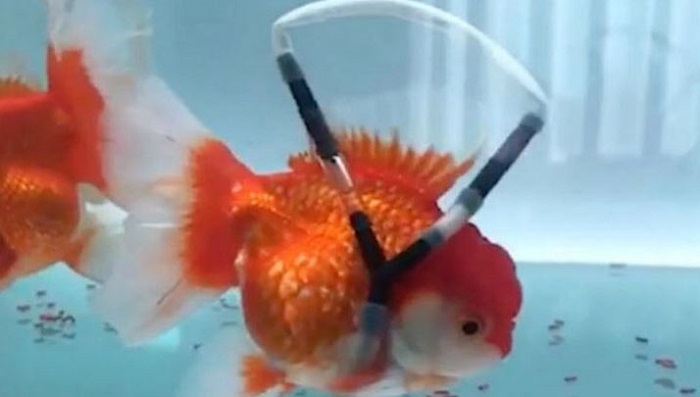
What is the Swim Bladder?
The swim bladder is a gas-filled organ located in the abdominal cavity of most fish. Its main role is to help the fish maintain balance in the water without constant effort. A healthy swim bladder lets the fish move up and down in the tank smoothly. When this organ is affected, the fish may float to the surface, sink to the bottom, or struggle to swim normally.
How Stress Affects Fish
Stress in fish is caused by many factors such as poor water quality, sudden temperature changes, overcrowding, aggressive tank mates, or frequent handling. Prolonged stress weakens the immune system and disrupts normal body functions. Since the swim bladder is highly sensitive, stress can make the organ work improperly and lead to buoyancy problems.
Signs of Swim Bladder Problems Caused by Stress
When stress impacts the swim bladder, fish may display unusual behaviors. Some of the common signs include:
- Floating uncontrollably near the surface
- Sinking and resting at the bottom for long periods
- Tilting to one side while swimming
- Difficulty maintaining balance after feeding
- Loss of appetite due to swimming struggles
If these symptoms appear, the fish may be experiencing swim bladder disease linked to stress.
Connection Between Stress and Swim Bladder Disease
Swim bladder disease is not always caused by infection or injury. In many cases, it is stress that disrupts the normal function of the organ. For example, poor water quality increases ammonia levels and lowers oxygen. This forces the fish to work harder to breathe, which stresses the body. Over time, this stress causes inflammation or pressure around the swim bladder. Similarly, aggressive tank mates can chase and injure a fish, making it anxious and disrupting its swimming patterns.
Environmental Factors That Cause Stress
Several environmental conditions can add stress to aquarium fish and affect the swim bladder.
- Water quality: High ammonia, nitrite, or nitrate levels are dangerous and can quickly trigger stress.
- Temperature fluctuations: Rapid changes in temperature shock the fish and put pressure on body systems.
- Overcrowding: Too many fish in a tank limits swimming space and raises aggression levels.
- Lighting: Bright or inconsistent lighting patterns disturb the natural rhythm of fish.
- Noise and vibration: Placing the aquarium near loud sounds or heavy movement creates stress responses.
By correcting these factors, the chance of swim bladder disease caused by stress can be reduced.
Feeding and Stress-Related Swim Bladder Issues
Overfeeding or feeding the wrong type of food can also cause stress that leads to swim bladder problems. Floating pellets often make fish gulp air while eating, which can add extra pressure on the swim bladder. Similarly, poor diet quality can cause digestive issues that put pressure on the organ. Offering small meals, soaking dry food before feeding, and including fiber-rich options like peas can help reduce stress on the digestive system and protect swim bladder function.
Recovery from Stress-Induced Swim Bladder Disease
If fish are already showing signs of swim bladder disease due to stress, several steps can support recovery:
- Improve water quality by performing partial water changes.
- Check and stabilize the tank temperature.
- Isolate aggressive tank mates if they are causing continuous stress.
- Adjust feeding methods by giving smaller and more suitable portions.
- Provide quiet surroundings with minimal disturbance near the tank.
Most fish recover once the source of stress is removed and the aquarium conditions stabilize. However, if symptoms persist, the issue may be due to infection or structural damage to the swim bladder, which requires professional advice.
Can Stress Prevention Protect the Swim Bladder?
Yes, preventing stress is one of the best ways to protect fish from swim bladder disease. Regular maintenance of the aquarium, proper feeding habits, and maintaining stable conditions go a long way in supporting fish health. A calm environment helps the swim bladder work normally and allows fish to thrive without buoyancy problems.
Conclusion
Stress has a major impact on swim bladder function in aquarium fish. By disturbing normal body functions, it can lead to buoyancy issues commonly recognized as swim bladder disease. Since stress often comes from environmental and dietary factors, controlling these conditions is the key to prevention. With proper care and stable surroundings, fish can avoid stress-related swim bladder problems and maintain healthy swimming patterns.
 Bright Media
Leave a comment