The world of electrical systems is shifting, and modular design is becoming the new frontier. Manufacturers are moving away from rigid models and embracing flexible, adaptive solutions that save both time and resources. This change is driven by rising demands in industries where efficiency and customization are critical. Businesses need systems that can evolve without full replacements or costly interruptions. In this dynamic shift, modular panels stand out as smarter, future-proof alternatives. They answer the growing need for adaptability in fabricación de cuadros electricos.
The Shift Toward Smarter Flexibility
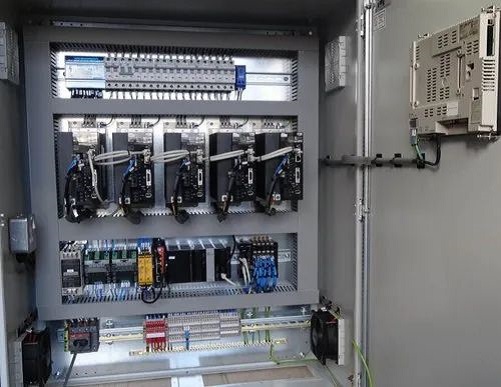
Traditional electrical panels were once rigid, leaving little room for adjustments after installation. Modular design now allows manufacturers to create systems that adapt easily to new requirements. Engineers can add, remove, or rearrange modules without rebuilding the entire structure. This makes upgrades faster and reduces downtime in industrial environments. Companies today demand flexibility because technology evolves rapidly. Modular panels give them the capacity to stay aligned with future needs.
Efficiency That Rewrites Production Timelines
Speed is everything in modern industrial production, and modular design delivers exactly that. Panels assembled with pre-engineered modules reduce both labor hours and unexpected delays. Technicians can work faster since each module is standardized and predictable in design. This reduces human error and improves overall safety in the process. Businesses also gain faster delivery timelines which keep projects running on budget. Efficiency here becomes a competitive edge in manufacturing operations.
Cost Savings That Drive Adoption
Modular design is not only about flexibility but also significant cost efficiency. Standardized modules reduce the need for custom engineering on every project. This directly lowers material expenses and labor costs during panel production. Additionally, maintaining and replacing modules becomes simpler and less expensive over time. Companies appreciate the long-term financial savings associated with modular systems. The combination of lower costs and higher adaptability drives more manufacturers toward adoption.
Scalability That Matches Growth Needs
Companies often expand, upgrade, and modernize their infrastructure with growing demands. Modular electrical panels make that process seamless without requiring full replacements. Engineers can integrate new modules into the existing system with minimal downtime. This scalability ensures that businesses can adjust capacity to match future operations. It also allows industries to prepare for digital integration and automation upgrades. Growth becomes more controlled and less disruptive with modular panel systems.
Sustainability in Industrial Manufacturing
Sustainability is now at the core of industrial design, and modular panels reflect that change. By using standardized parts, manufacturers reduce waste and optimize resource usage. Repairing or upgrading modules prevents unnecessary disposal of entire systems. This aligns with global environmental goals and industry sustainability standards. Modular systems also improve energy efficiency across industrial electrical infrastructure. This makes them not only practical but also environmentally responsible.
Conclusion
The rise of modular design in electrical panel manufacturing reflects a deeper industrial transformation. Businesses want faster, more flexible, and more cost-effective systems that still align with sustainability. Modular solutions deliver efficiency, adaptability, and scalability while reducing long-term risks. They also allow industries to remain future-ready in a constantly evolving landscape. This makes modular design less of a trend and more of an essential industrial standard.
 Bright Media
Leave a comment