Acting is an art that adapts to different platforms and styles over time. Stage and screen each demand unique skills from every performer. Stage acting requires projection, exaggerated expressions, and presence for a live audience. Screen performance focuses on subtlety, camera awareness, and emotional precision. Acting schools merge these worlds to prepare versatile and adaptable artists. This blend ensures students can thrive across any performance medium they encounter.
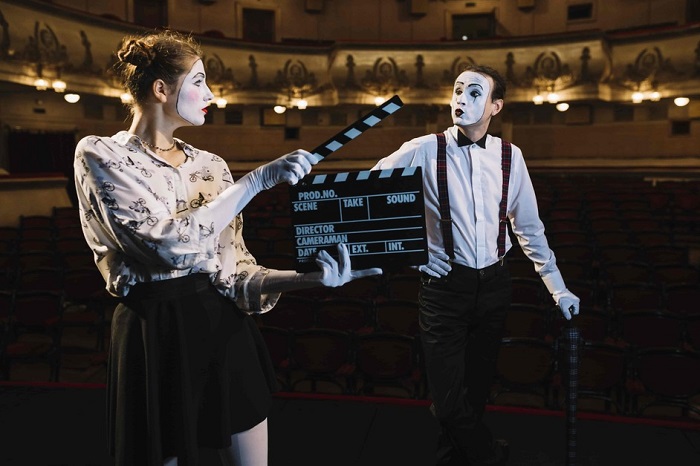
Bridging the Two Performance Worlds
Theater and film have different technical and creative demands for actors to master. Stage acting uses grand gestures and strong voice projection to reach distant audiences. Screen work captures every micro-expression, requiring controlled and nuanced delivery. Combining both builds flexibility and depth in an actor’s craft. Training in both forms also deepens understanding of timing and audience engagement. An escuela de actores Valencia may emphasize this dual approach for complete preparation.
Adapting Skills to Changing Mediums
Acting has evolved as media technology continues to expand and diversify opportunities. Actors today might perform live, on television, or in streaming productions. Each platform has distinct pacing, energy, and audience expectations. Learning both mediums allows actors to adapt with ease and confidence. Schools ensure students can switch between intense stage presence and intimate on-camera moments. This adaptability increases career options and ensures longevity in the entertainment industry.
Mastering Voice and Expression Control
Voice is a critical tool that works differently for stage and screen. On stage, projection must reach the furthest seat without losing emotional authenticity. In film, microphones capture even the quietest whisper, requiring subtle control. Expressions on stage must be visible to large crowds without becoming unrealistic. Screen work needs minimal movement to convey deep emotion effectively. By mastering both, actors learn to adjust delivery while maintaining emotional truth.
Building Emotional Versatility and Depth
Stage work often demands sustained emotional energy for long scenes without interruption. Screen acting requires shifting emotions rapidly between takes and camera angles. Training in both settings develops emotional agility and resilience in actors. It helps them tap into authentic feelings, regardless of performance environment. Schools emphasize exercises that challenge both sustained and quick-shift emotional demands. This balance creates performers who connect deeply with diverse audiences.
Creating a Complete Professional Artist
Professional actors must be ready for any role, format, or production style. Stage training enhances physicality, movement precision, and audience connection skills. Screen training refines subtle expression, camera interaction, and technical awareness. Together, they produce artists capable of captivating both live audiences and film viewers. This holistic training is what industry leaders often seek when hiring new talent. By mastering both, actors maintain relevance in a competitive and changing industry.
Conclusion
Acting schools embrace both stage and screen because modern performers must be adaptable. The demands of live audiences and camera work differ, yet complement each other. Training in both crafts builds skills, emotional depth, and professional readiness. This dual preparation ensures that actors can navigate any performance medium with confidence. By uniting these disciplines, schools help create performers who excel across all artistic platforms.
 Bright Media
Leave a comment