Diamonds are often considered valuable possessions, and many people consider selling them at some point. Whether you are reselling an old engagement ring or an unused piece of jewelry, understanding what influences the value of your diamond in the secondary market is important.
This article will explain the key factors that impact diamond resale and guide you through the process of evaluating.
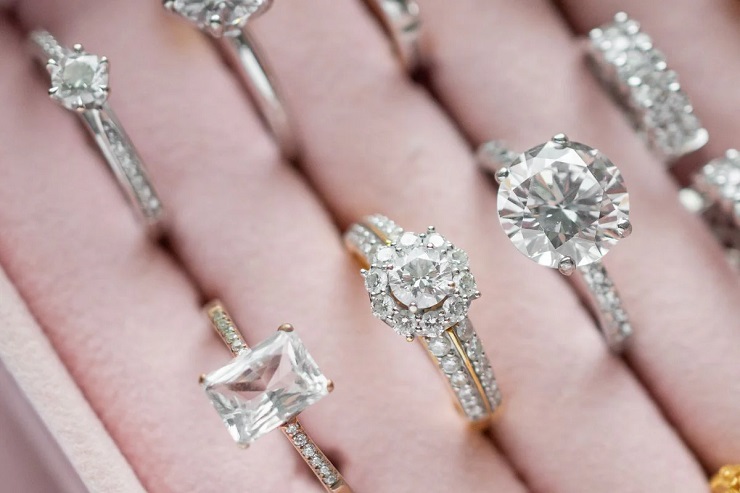
Diamond Cut Quality
The cut of a diamond plays a major role in its resale value. A well-cut diamond reflects light efficiently and appears brighter. Poorly cut diamonds can look dull even if they have good clarity and color.
Cut quality is graded by gemological labs and usually falls into five categories: Excellent, Very Good, Good, Fair, and Poor. Diamonds with Excellent or Very Good cuts typically retain better resale value.
Carat Weight and Resale Demand
Carat weight refers to the size of the diamond. Generally, the larger the carat weight, the higher the resale value. However, resale prices do not increase linearly with size. A 1.0 carat diamond may not sell for twice the price of a 0.5 carat stone.
Stones near whole-number weights (like 1.0 or 2.0 carats) often have better resale prospects because buyers commonly look for those sizes. But large stones with poor cut or low clarity may still not perform well.
Color and Clarity Grades
Color is graded from D (colorless) to Z (light yellow). Stones that are colorless or near colorless—graded D to G—are more desirable in the resale market. Lower color grades may result in a drop in value.
Clarity describes how free the diamond is from internal and external flaws. The scale ranges from Flawless to Included. While flawless diamonds are rare, many resale diamonds fall between VS1 and SI2. Visible flaws, especially under natural lighting, can significantly lower resale value.
Certification from Reputed Labs
Buyers and dealers generally look for certification from respected institutions like GIA or IGI. A certificate adds credibility and helps potential buyers understand exactly what they are paying for.
A diamond without a certificate may still have value, but the resale process becomes more difficult. Most dealers prefer buying diamonds that come with original paperwork.
Condition and Mounting
A clean, undamaged diamond will always attract better resale offers. If the diamond is mounted in a ring or necklace, the condition of the metal and setting also matters. Bent prongs, worn-out claws, or loose settings may reduce the overall value.
Sometimes it is better to sell the diamond separately from the setting, especially if the setting is not made of precious metals like platinum or gold. Reputable 鑽石回收 services often assess the stone and metal value individually.
Current Market Demand
Market demand constantly shifts based on trends, consumer preferences, and global economic factors. For example, certain shapes like round or oval are more popular and may fetch better resale offers. Less common shapes like marquise or pear might take longer to sell.
In some cases, diamonds that were purchased several years ago may sell for less than their original price because of decreased demand or updated cutting standards.
Selling Channel
Where you choose to sell your diamond also impacts its final price. Local jewelers, pawn shops, online platforms, and professional 鑽石回收 services all offer different rates and processing methods.
Professional recycling services and dealers who specialize in diamonds may offer more accurate appraisals and higher returns, especially if your stone is certified and in good condition.
Conclusion
The resale value of a diamond depends on several measurable factors—cut, carat, clarity, color, certification, and market trends. While brand and condition may slightly affect value, the core grading characteristics matter most.
 Bright Media
Leave a comment