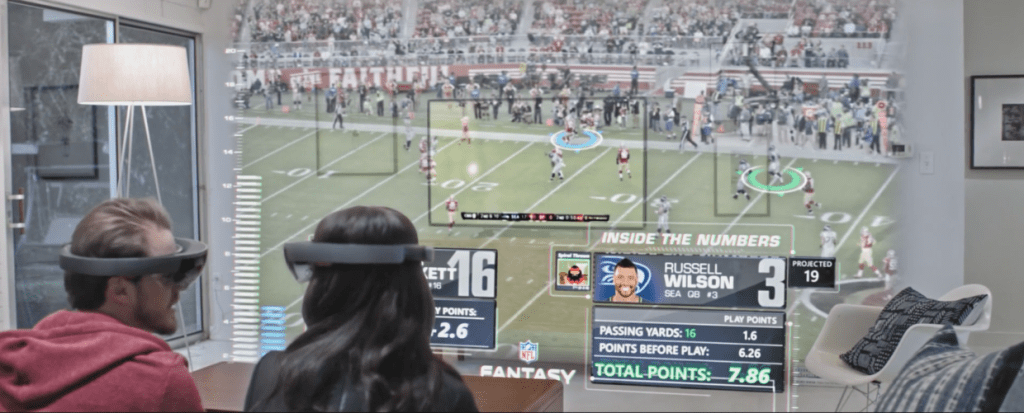
Augmented reality offers a new way to market to stadium spectators and TV viewers around the world. For instance, fans can scan a player’s jersey to learn more about them and view their statistics.
AR also allows broadcasters to overlay graphics on top of live action. It can help explain complex data in a visual way with the presenter leading the narrative.
The Future of Sports TV Broadcasts
The future of sports broadcasts is a hotly debated topic right now. Broadcasters are trying to find ways to differentiate their content and offer fans a better at-home experience for a Sunday night football on NBC than what they can get in the stadium.
Augmented reality offers a great opportunity to do just that. AR can help broadcasters bring a stadium-like experience to viewers at home and provide more information about players and match data. It can also help fans engage with the game in a more interactive way, which is vital for sports brands looking to attract younger viewers.
As attention spans continue to shorten, it’s becoming harder for young fans to sit through two 45-minute halves of sports without anything to grab their attention. As such, broadcasters need to start finding innovative ways to connect with these new generations of sports fans. This means leveraging technology like VR, AR and AI to create more immersive content and offer more interactive experiences that will keep fans engaged.
The Future of Sports Marketing
Whether or not AR will be part of your next football experience in the stadium is yet to be seen, but it is certainly inevitable that this technology will play a big role in how we watch sports broadcasts. With attention spans shortening and the popularity of shorter content like TikTok and Instagram booming, fans expect more than ever from their viewing experience.
Augmented Reality in sports can be as simple as a yellow ‘first down line’ on the video feed or a more immersive experience that allows viewers to physically interact with players and data visualizations. For first time sports viewers it can help them understand the game, whereas more seasoned fans can get even deeper stats and comparisons.
The future of Sports Marketing will see increased reliance on technology and personalization to bolster fan engagement, increase brand loyalty, promote sustainability and address social responsibility issues. It will also continue to grow with esports and the growing interest in women’s sports providing new opportunities for marketers.
The Future of Sports Journalism
Sports journalism is a powerful force in the world, transcending borders and unifying fans worldwide. However, sports journalists face unique challenges when reporting on international sporting events, as cultural sensitivity is essential. Missteps in this regard can result in misunderstandings and backlash, which can damage the credibility of media outlets and erode public trust.
The upcoming rise of AR technology will enable broadcasters to create immersive experiences that bring fans closer to the action than ever before. For example, augmented reality can be used to display statistics and information on players while they’re on the field. This can help viewers understand the game and make more informed decisions.
As a result, AR technology will be an indispensable tool for sports departments in the future. It will help them balance daily, incremental coverage with deeper stories that explore the intersection of sports and society. This is an important issue, particularly as newsrooms shrink and resources are limited.
The Future of Sports Fan Engagement
As today’s younger fans are raised on interactive media and accustomed to platforms like TikTok, Twitch and Facebook, they will demand more from sports broadcasting. Those who enjoy their experience are likely to attend more matches, buy merchandise and pay for online sports streaming subscriptions (read more).
VR and AR present a solution to this, providing the best of both worlds. They can create a virtual stadium and overlay it with digital content such as player headshots or even tracing trajectories of the ball.
This will help to capture the imagination of football fans and make a game appear as though they’re in the stands themselves. It could even be used to show the effects of flooding, ice storms and other issues that affect public safety. It will also allow fans to engage with the broadcaster in new ways, for example by voting on social media or commenting on Twitter. This can improve engagement with the sport and increase brand loyalty.
 Bright Media
Leave a comment